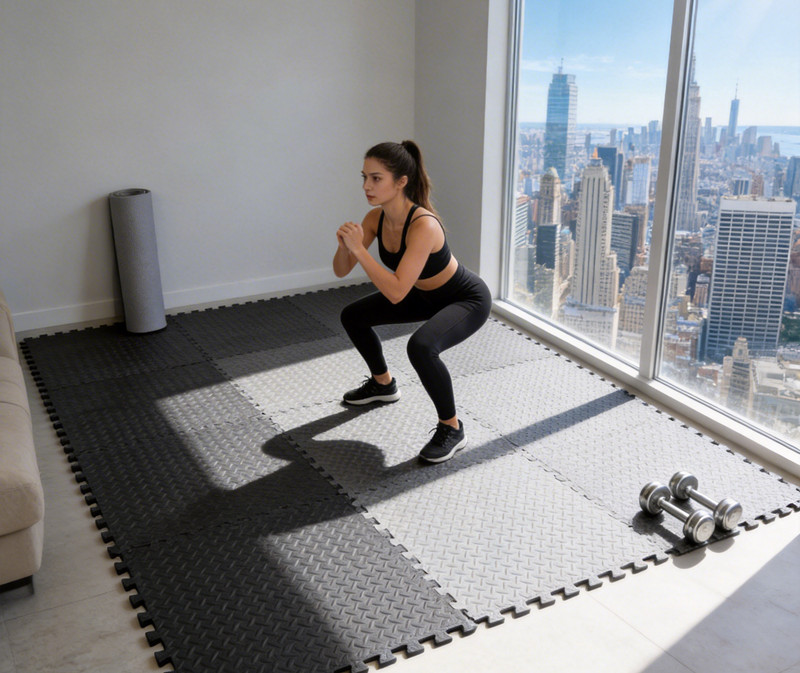
Living in an apartment often feels like a compromise when it comes to fitness. The fear of dropping a weight and having the downstairs neighbor bang on the ceiling is real. But what if you could build a gym that is not only functional but also quiet?
The secret lies in the flooring. With a strategic $500 budget and the right materials—specifically EVA foam mats and rubber surfaces—you can create a workout sanctuary that keeps the peace.
This guide is designed to help you navigate the noise problem while featuring products that fit perfectly into your independent store.
The #1 Rule of Apartment Gyms: Kill the Impact
Before we talk about weights or benches, we have to talk about the floor. In an apartment, the floor is your biggest enemy and your greatest asset. Sound travels through structures via vibration.
To build a gym for under $500, you must prioritize flooring > equipment.
Why EVA Foam is Your Best Friend
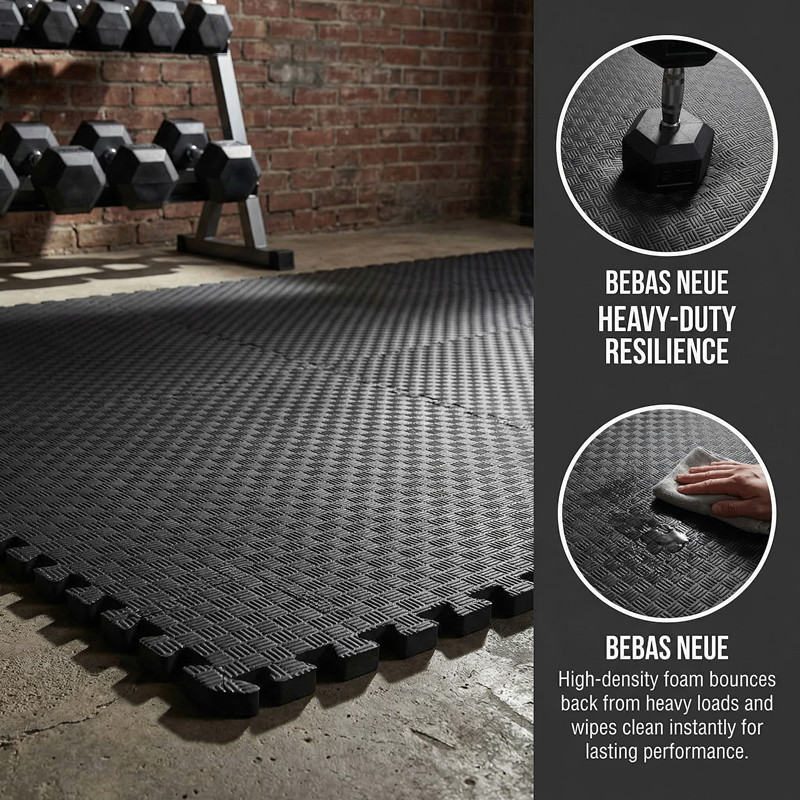
EVA foam (Ethylene-Vinyl Acetate) is the unsung hero of home gyms. It is lightweight, durable, and excellent at absorbing shock . But not all foam is created equal.
High-Density EVA: This material provides a firm surface that won’t bottom out under a squat rack but remains soft enough to dampen the sound of a dropped dumbbell.
The Thickness Rule: For meaningful sound reduction in an apartment, you need thickness. Look for mats that are at least 10mm thick.
The $500 Shopping List (Featuring Your Products)
Here is exactly how to allocate your budget to build a gym that keeps the noise down and the fitness up.
1. The Foundation: The Flooring Layer ($150 – $200)
This is where your product line shines. To maximize soundproofing, we are going to use a dual-layer approach.
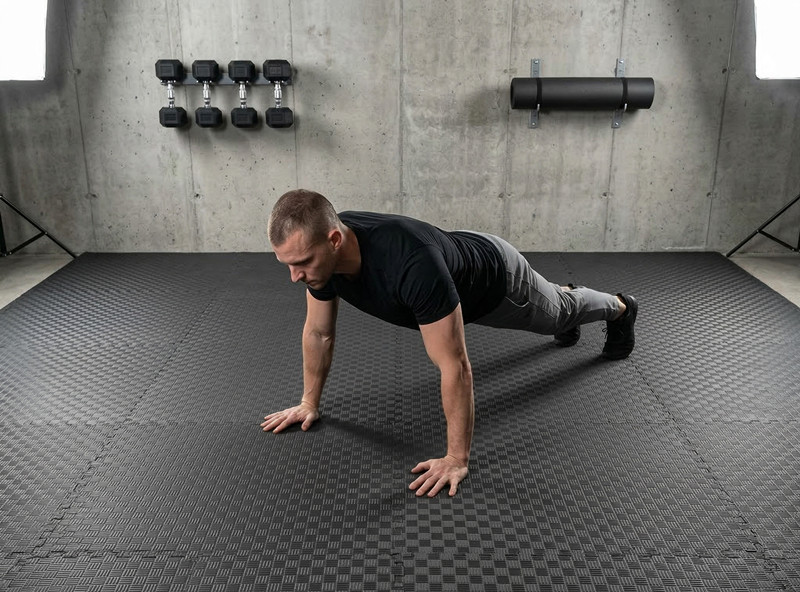
Base Layer (The Vibration Killer): Start with your EVA foam gym mats. Because EVA is a closed-cell foam, it does an excellent job of absorbing initial impact and reducing vibration transfer to the concrete slab below.
The Product Plug: Our 100x100cm EVA gym mats are perfect for covering a large area quickly with fewer seams. For odd-shaped apartment corners, our 30x30cm EVA tiles are ideal because they can be arranged like puzzle pieces to fit perfectly.
Cost Allocation: ~$100 for a starter pack.
Top Layer (The Durability & Grip Layer): EVA foam is soft, but for heavy lifts or high-impact cardio, you need a tougher surface. This is where rubber comes in. Rubber has a much higher density than foam, which is essential for blocking sound transmission.
The Product Plug: Place our rubber yoga mats or on top of the EVA in high-traffic areas. The rubber surface provides a non-slip grip for your feet and equipment, while the EVA underneath provides the cushioning.
Why this works: In acoustic engineering, layering different densities breaks up sound waves. The EVA absorbs the initial shock, and the rubber prevents the sound from passing through .
Cost Allocation: ~$80 for a large rubber mat or multiple yoga mats.
2. The Quiet Equipment ($250 – $280)
With the floor absorbing the noise, you need gear that won’t generate it.
Resistance Bands ($30): Completely silent. No metal clanging, no dropping.
Rubber-Coated Dumbbells (Used) ($150): Scour Facebook Marketplace for old rubber-hex dumbbells. The rubber coating prevents the metal-on-metal noise if you have to put them down hard.
Adjustable Bench ($70): Look for a sturdy used bench. Put felt pads on the feet to avoid scraping the rubber floor.
3. The Extras ($50)
Felt Furniture Pads: Stick these on the bottom of your bench and any rack feet.
Storage Basket: To keep your weights organized so they aren’t clanking into each other.